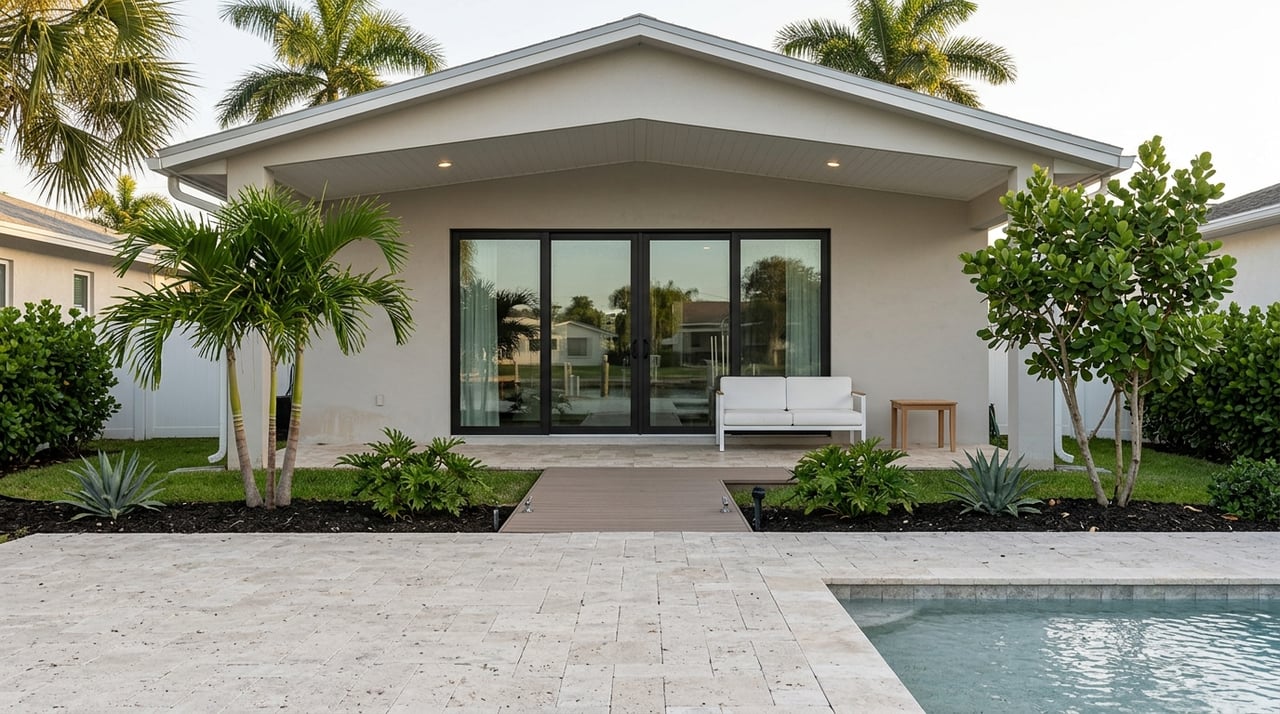
Selling a waterfront home on Longboat Key is different from selling a typical house. Buyers here are not just comparing bedrooms and square footage. They are looking closely at water access, views, permits, flood details, and how confidently the property is presented. If you want the strongest result, you need a plan that matches how this market really works. Let’s dive in.
Price for your exact waterfront niche
Longboat Key does not move as one simple market. Public market trackers place the island roughly in the $1.0M to $1.15M selling range, with inventory between 329 and 456 homes and about 85 to 92 days on market. Realtor.com also reports a 94% sale-to-list ratio, which suggests buyers are active but still careful.
That matters because your waterfront home should not be priced from broad island averages alone. Realtor.com shows major differences between neighborhoods, including median pricing around $3.40M in Country Club Shores and $1.72M in Longboat Key Club. On Longboat Key, micro-location often has a bigger impact than island-wide trends.
For your home, value usually comes from details buyers can feel and verify. A wide bay view, protected boating access, a better dock setup, or a stronger view corridor can influence pricing more than an extra room that does not add to the waterfront experience. The goal is to price from true micro-comps that reflect your section of the Key, your water exposure, and your over-water features.
Show the waterfront premium clearly
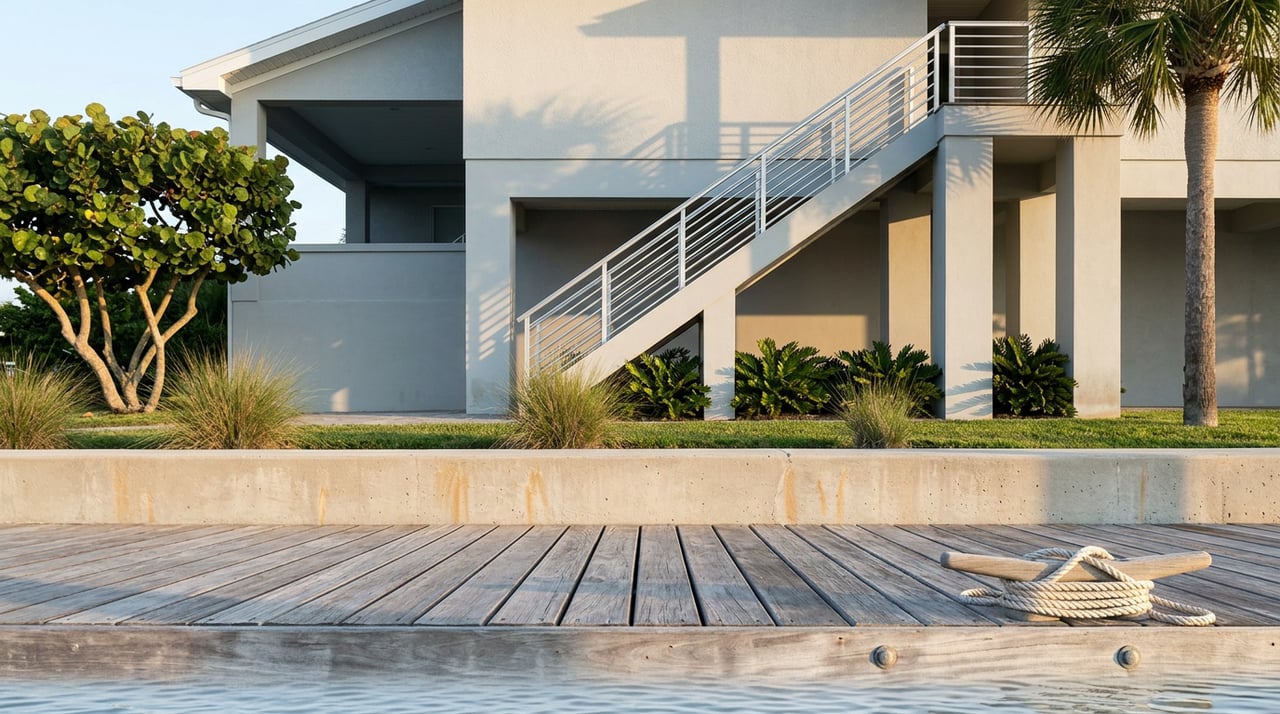
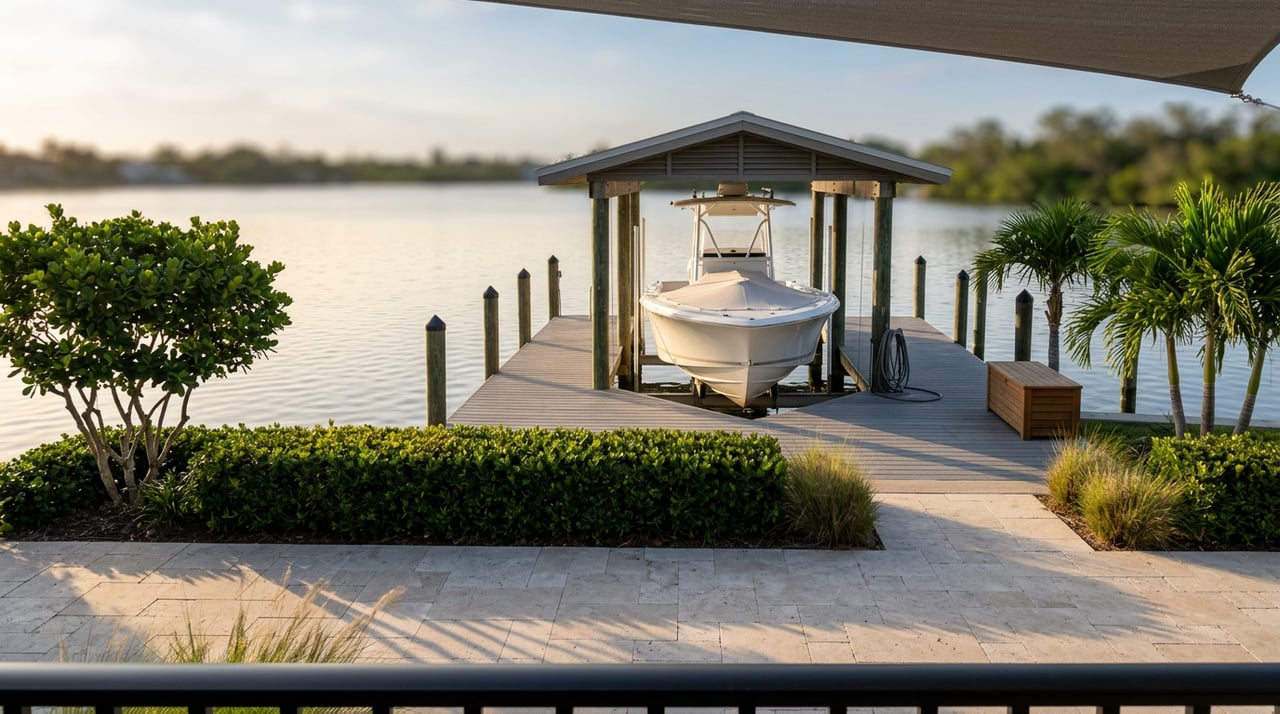
When buyers look at a waterfront listing, they want to know what makes it special beyond the address. That story often includes the dock, lift, seawall, pilings, pool, lanai, and the way the home connects to the water. If those features are present, they should be documented and presented as part of the value.
Realtor.com guidance for Longboat Key also suggests that minor cosmetic updates, such as paint and fixtures, can help a home show better, while major renovations often do not return full cost. For many sellers, that means your best return may come from smart touch-ups and a sharper presentation rather than an expensive pre-listing overhaul.
In practical terms, buyers want a waterfront home that feels easy to understand. If the views are open, the outdoor spaces are clean, and the key features are clearly documented, your listing becomes easier to trust. That trust supports stronger offers.
Gather permits before you list
On Longboat Key, paperwork can be just as important as presentation. The town requires permits for many construction items, and its application materials specifically include structures over water such as docks, lifts, seawalls, and pilings. The town also provides a public permit search, which means buyers and their representatives can verify what was done.
Before your home goes live, it helps to gather records for any waterfront and storm-related work. That usually includes permits, final inspections, surveys, invoices, and records for repairs or replacements involving the dock, seawall, lift, roof, windows, or elevation-related improvements. If you have these ready early, you can answer questions before they become objections.
Open permits or missing final inspections can slow a sale late in the process. Buyers may hesitate if they are not sure whether key work was completed legally and fully signed off. A clean documentation package removes friction and makes your home easier to evaluate.
Prepare flood and elevation information
Waterfront buyers on Longboat Key almost always ask about flood risk early. The town offers a public flood-risk and elevation-certificate search that allows homeowners, insurance agents, and real estate professionals to review flood zone details, Base Flood Elevation, Design Flood Elevation, warnings, and available elevation certificates. That makes it easier to assemble useful property information before listing.
Longboat Key also states that all residents are in a Level A Evacuation Zone. In addition, the town notes that it participates in the National Flood Insurance Program and the Community Rating System, with compliance helping reduce flood insurance rates town-wide. For sellers, that means elevation records, storm-hardening details, and repair documentation are especially important in buyer conversations.
Florida law also requires a seller to provide a flood disclosure to the buyer at or before contract execution. The form states that homeowners insurance does not cover flood damage. On a waterfront sale, being ready with clear flood-related information is not just helpful. It is part of a smoother, more transparent transaction.
Know when coastal disclosures apply
If your property is partially or totally seaward of the Coastal Construction Control Line, Florida law requires a written coastal properties disclosure. By closing, the seller must also provide either an affidavit or a survey showing the line location unless that requirement is waived in writing. This can be especially relevant for Gulf-front homes.
The Florida Department of Environmental Protection says construction or excavation seaward of the line generally requires a permit. The program is designed to protect the beach and dune system, adjacent properties, public access, coastal vegetation, and sea turtles. Because of that, buyers may ask about prior shoreline work, permit history, and related surveys.
If this applies to your property, it is better to address it early rather than wait for due diligence. A buyer who gets clear answers upfront is more likely to stay confident as the transaction moves forward.
Market the water, not just the rooms
Most buyers will see your home online before they ever visit in person. According to the National Association of REALTORS®, 81% of buyers rated listing photos as the most useful feature in their online home search. The same research also shows that buyers’ agents place high importance on photos, physical staging, videos, and virtual tours.
For a Longboat Key waterfront property, that means your visual strategy should lead with the water. The strongest first photo is often the image that best captures the view, setting, or full waterfront lifestyle. After that, buyers usually want to see the dock, pool, lanai, main living areas, and the flow between indoor and outdoor spaces.
NAR also advises that the lead image sets expectations for the listing. It notes that strong exterior or lifestyle images can outperform generic room shots, while overly polished photography can create disappointment if the home does not match the presentation in person. The best marketing feels polished, accurate, and confidence-building.
Stage for views and outdoor living
Staging matters because it helps buyers picture how they would use the home. NAR’s 2025 staging report says 83% of buyers’ agents felt staging made it easier for buyers to visualize the home as their future home. About 30% of real estate professionals also said staging produced a 1% to 10% increase in home value, and roughly half reported faster sales.
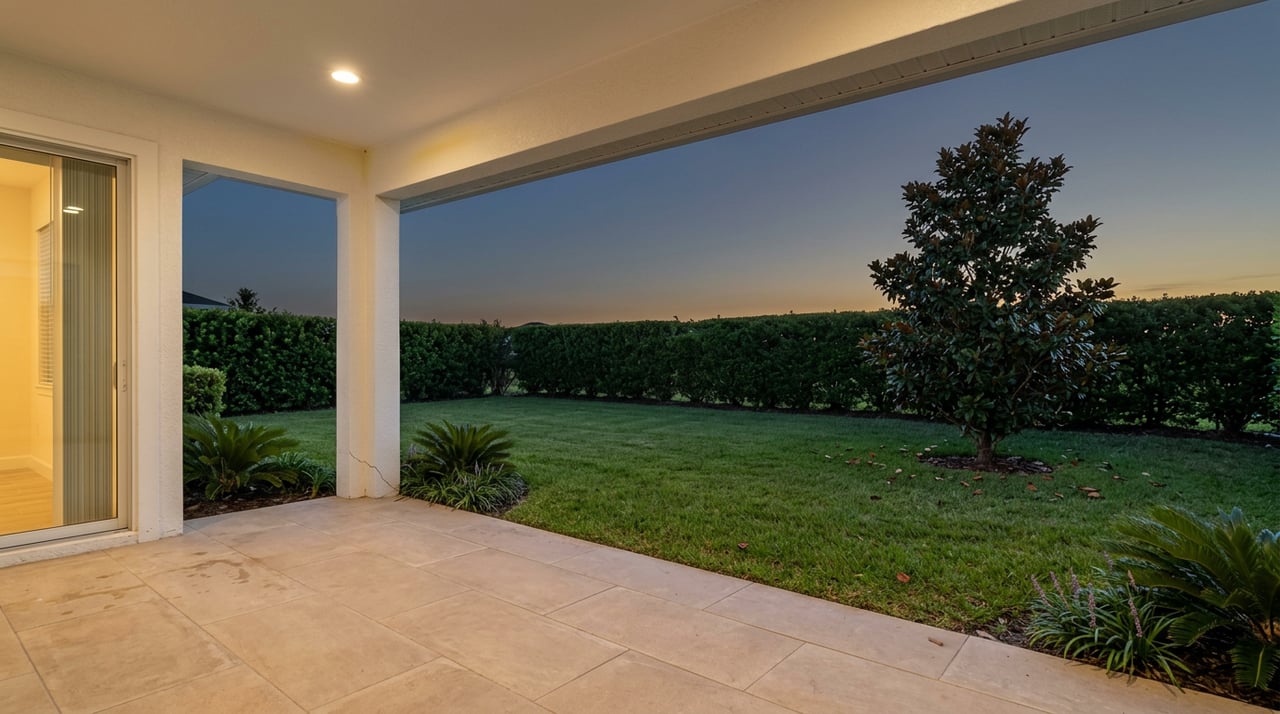
For waterfront homes, the staging goal is slightly different from a standard house. You want to preserve view corridors, keep glass areas visually open, and make outdoor living spaces feel clean and usable. The water should be the focal point, not oversized furniture or too much decor.
This is where small choices can make a big difference. Fresh paint, lighter styling, clean windows, and a simplified lanai can help buyers connect emotionally with the setting. On Longboat Key, that setting is a major part of what they are buying.
Tell the Longboat Key lifestyle story
A strong waterfront listing should also describe how the property lives. Visit Sarasota County describes Longboat Key as a resort island known for waterfront golf and tennis, boating to Beer Can Island from the north end, and inshore fishing and paddleboarding on the south end. That context helps buyers picture daily life, not just the floor plan.
This does not mean using vague luxury language. It means being specific about the lifestyle your location supports, such as boating convenience, water access, outdoor entertaining, and the rhythm of barrier-island living. Buyers often connect faster when the listing shows both the physical features and the local experience.
For second-home buyers in particular, that story matters. They are often purchasing access, ease, and a coastal routine as much as the home itself.
Remove friction before negotiations start
Many waterfront deals slow down over the same set of questions. Buyers often ask for a survey, elevation certificate, flood-zone information, permit records, and proof that dock or seawall work was completed legally. Longboat Key’s public permit search and flood-risk portal make these records easier to verify, which is why it helps to organize them before the property hits the market.
Florida’s general disclosure rule also still applies even if you use an as-is contract. Florida Realtors notes that as-is does not remove the duty to disclose known latent defects that materially affect value. In other words, transparency remains essential.
The smoother your file, the smoother your sale tends to be. When pricing, documentation, disclosures, and presentation all line up, buyers have fewer reasons to pause and more reasons to make a confident offer.
Why precision wins on Longboat Key
Longboat Key is a market where details matter. The current numbers point to a market that rewards preparation rather than guesswork, and waterfront buyers tend to dig deeper than average. They want the right price, the right records, and a listing presentation that matches the value being asked.
If you are planning to sell, your best advantage is a strategy built around your exact location, your water features, and the documents that support them. That is how you reduce uncertainty and put your home in the best position to stand out.
If you want a data-driven plan to position your Longboat Key waterfront home, connect with Ryan Miller for local guidance, polished marketing, and a pricing strategy built for your specific property.
FAQs
What affects the sale price of a waterfront home on Longboat Key?
- The biggest factors often include micro-location, view corridor, water access, neighborhood, condition, and the quality and documentation of features like docks, lifts, seawalls, and pilings.
What documents should you gather before listing a Longboat Key waterfront home?
- It helps to collect permits, final inspections, surveys, elevation information, repair invoices, and records for work involving docks, seawalls, lifts, roofs, windows, and storm-related improvements.
What flood information do buyers ask for on Longboat Key?
- Buyers commonly want flood-zone details, elevation certificate information, Base Flood Elevation data, Design Flood Elevation data, and records that help them understand flood exposure and past improvements.
What disclosures may apply to a Gulf-front home on Longboat Key?
- If the property is partially or totally seaward of the Coastal Construction Control Line, Florida law requires a written coastal properties disclosure and, by closing, either an affidavit or survey showing the line location unless waived in writing.
Why do permits matter when selling a waterfront home on Longboat Key?
- Buyers often verify whether dock, seawall, lift, pilings, and other improvements were properly permitted and finalized, and missing records or open permits can delay negotiations or closing.
What is the best way to market a Longboat Key waterfront listing online?
- Lead with strong, accurate photos that highlight the best water view first, then show features like the dock, pool, lanai, and indoor-outdoor living areas in a way that supports the waterfront lifestyle story.