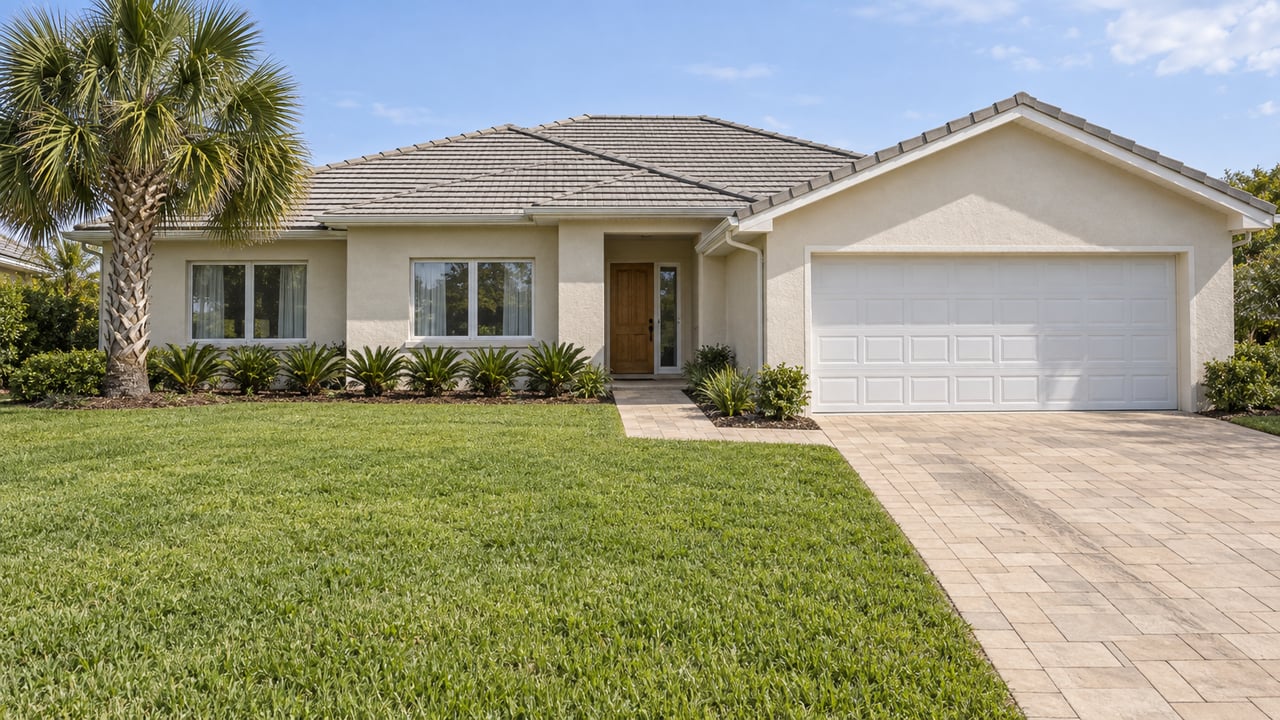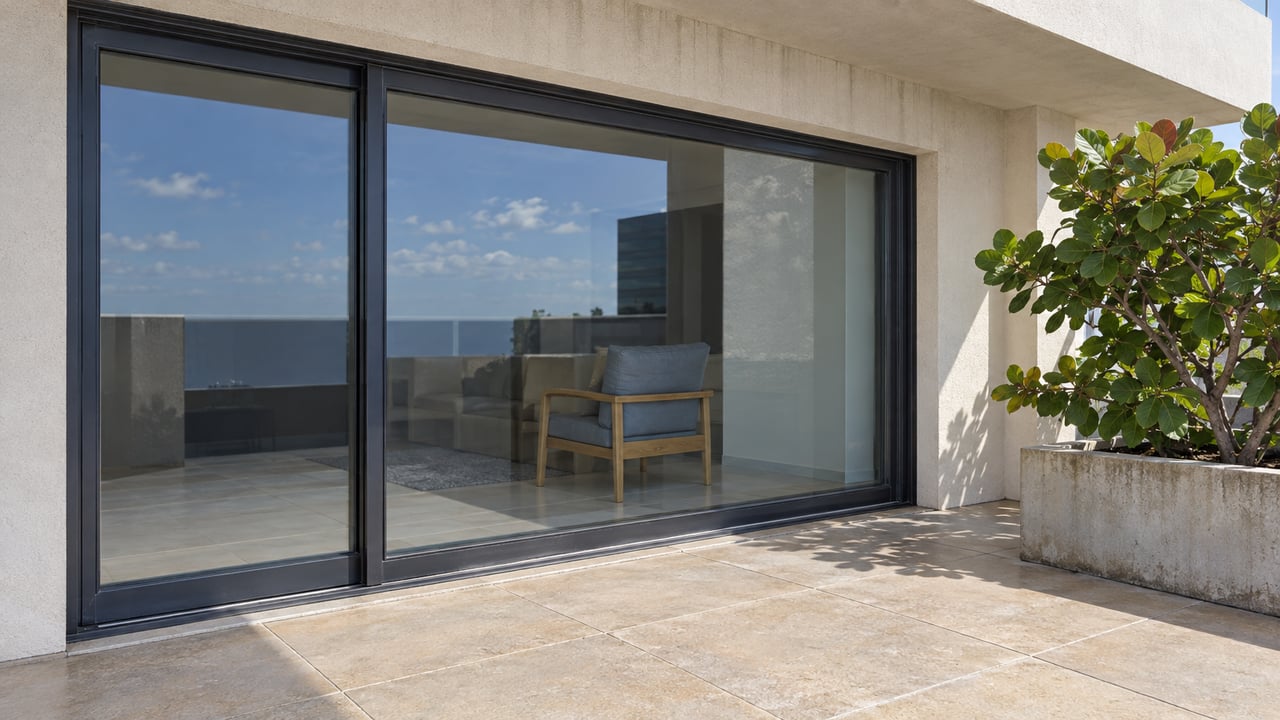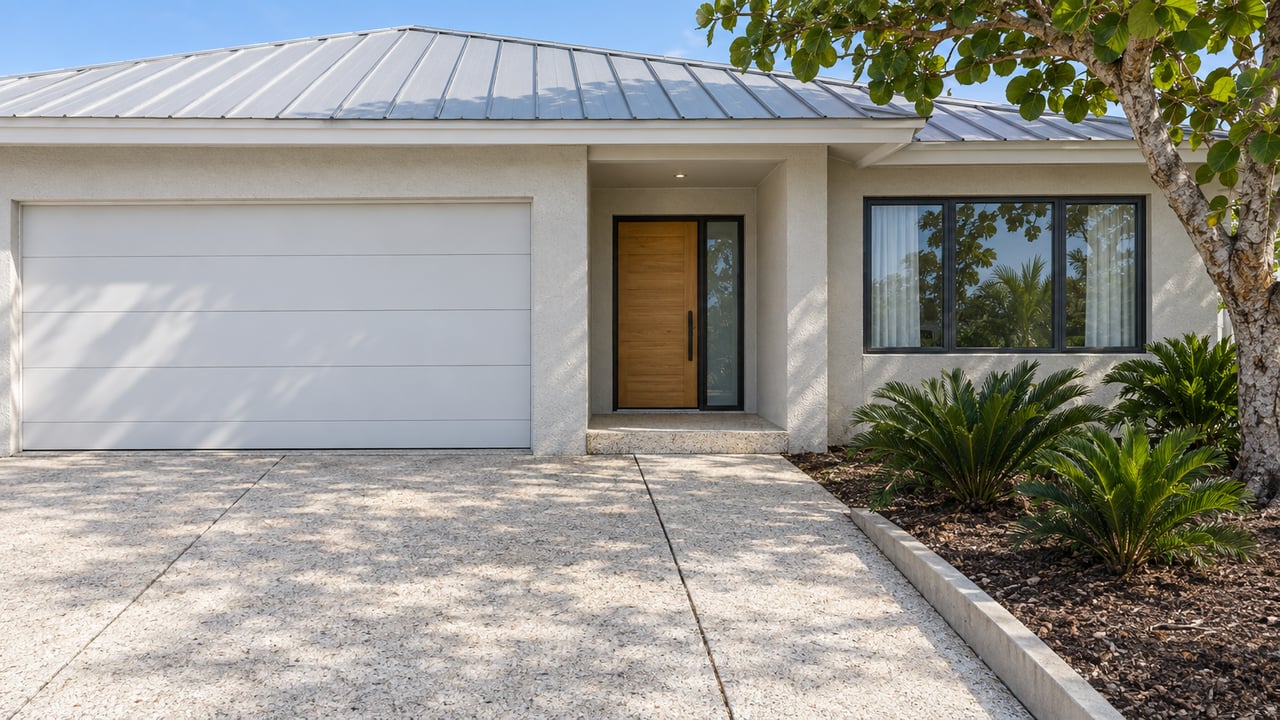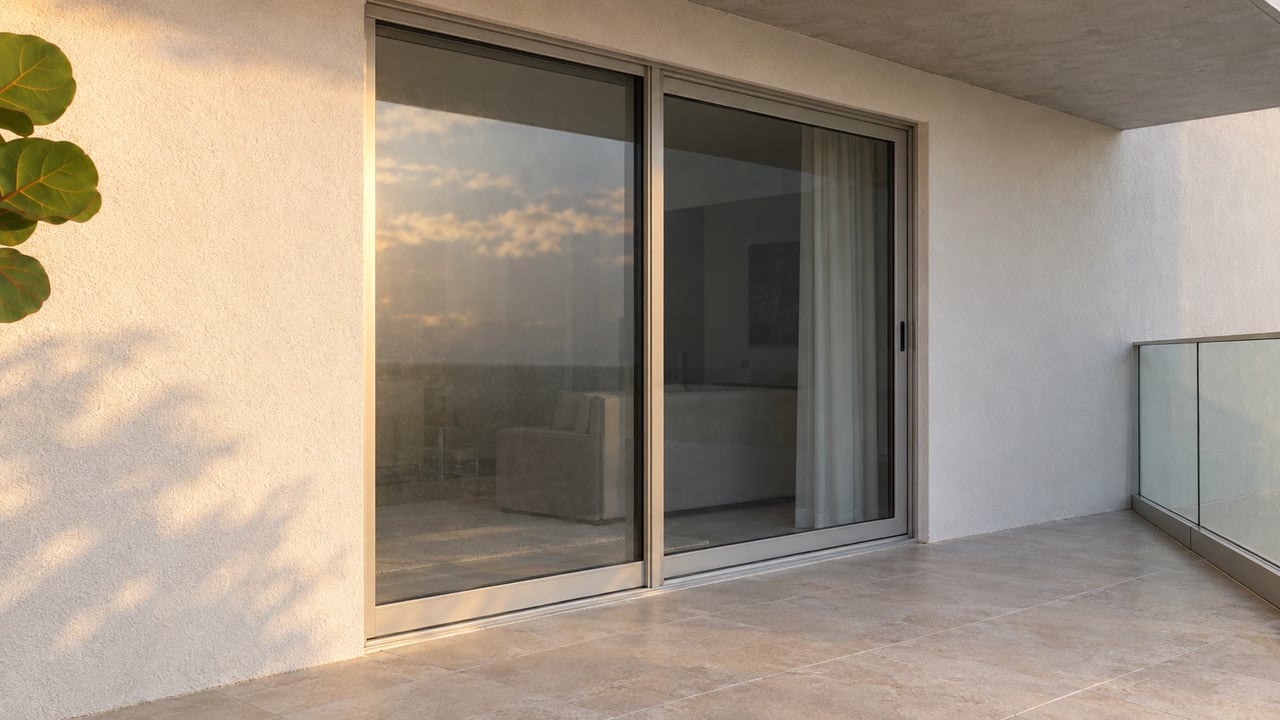
Buying in Lakewood Ranch often comes down to one big question: should you go with a brand-new home or choose a resale property that is ready right now? If you are weighing both options, you are not alone. In a community this large and varied, the right answer depends less on hype and more on your budget, timeline, and comfort with ongoing costs. Let’s break down how new construction and resale homes compare in Lakewood Ranch so you can make a confident decision.
Why this choice matters in Lakewood Ranch
Lakewood Ranch is not a single neighborhood. It is a large master-planned community that spans more than 35,000 acres across Manatee and Sarasota counties, with 30-plus villages and more than 150 miles of trails. That scale gives you a lot of choices, but it also means the details can vary from one village to the next.
One of the biggest details is location within the community. Villages north of University Parkway are generally in Manatee County, while villages south are generally in Sarasota County. Because county location can affect taxes, you should verify the county and tax structure for the specific village you are considering.
New construction: what you gain
For many buyers, new construction is appealing because everything is fresh. You get newer systems, a modern floor plan, and less near-term maintenance compared with an older home. In Lakewood Ranch, new construction can also mean a move-in ready spec home or a longer build-to-order process, so the experience can look very different depending on the property.
Another major draw is customization. Current Lakewood Ranch new-home offerings show different bedroom counts, garage configurations, elevation choices, and in some cases flexible design options. If personalizing finishes and layout matters to you, new construction usually gives you more control than resale.
Builder warranty protection
Florida law gives new construction buyers an important layer of protection. Under Florida Statutes Section 553.837, builders must warrant a newly constructed home for one year after title transfer or initial occupancy, whichever comes first, for construction defects involving equipment, materials, or workmanship that materially violate the Florida Building Code.
Some builders also offer written warranties with broader or longer coverage. In many cases, workmanship and materials may be covered for one year, certain systems may have longer coverage, and some builders may offer longer structural protection. Still, those extra terms vary by builder, so you should read the warranty carefully instead of assuming every builder offers the same coverage.
Design flexibility and tradeoffs
The flip side of customization is cost. In Lakewood Ranch, the listed base price of a new home may not include lot premiums, upgrades, or options. That means the number you first see online may not reflect the final purchase price once you choose your homesite and finishes.
New construction can also take longer if you are not buying a completed home. A move-in ready property may let you close sooner, while a build-to-order home can take six months or longer depending on permitting and construction stages. If your move date is fixed, that timeline matters.
Resale homes: where they stand out
Resale homes usually win on speed. The home is already built, so you can often move from contract to closing much faster than you could with a home that still needs to be completed. If you want to avoid construction uncertainty, a resale property may feel simpler and more predictable.
Resale homes can also offer a different setting. In many established areas, you may find mature trees, existing landscaping, and a neighborhood that already feels settled. Some buyers also prefer the character and lived-in feel that comes with an existing home.
Inspection matters more with resale
With a resale home, you are buying not just the property but also its maintenance history. That is why inspections are especially important. A good inspection can help uncover repair needs, deferred maintenance, or system issues before they become your responsibility after closing.
This does not mean resale is the riskier choice by default. It simply means you need to evaluate condition carefully. A well-maintained resale home can be a great value, but the inspection process is one of the key ways you protect yourself.
Optional home warranties are different
You may hear about a seller offering a home warranty on a resale home. That can be useful in some cases, but it is not the same as a builder warranty on a new home. A resale home warranty is a service contract that costs extra and should not be viewed as equal to the statutory protections that come with new construction in Florida.
Cost comparison in Lakewood Ranch
The price conversation in Lakewood Ranch goes beyond the sale price. Official community materials show new-home pricing ranging from the $200,000s to more than $2 million. But whether you buy new or resale, your real cost includes more than the mortgage.
HOA fees and community costs
Every village in Lakewood Ranch has HOA fees. According to the community FAQ, those fees range from about $100 to $800 per month, with most falling between $200 and $300 per month. What those fees include varies by village, but they often cover village amenities, common-area maintenance, and sometimes some lawn care or irrigation.
Lakewood Ranch also has a Stewardship District fee tied to community-wide infrastructure and natural features. These assessments help fund roads, parks, trails, drainage, landscaping, and conservation areas. They are generally collected annually on property tax bills, so you should look at both monthly HOA costs and annual tax-bill assessments when comparing homes.
Why resale is not always cheaper
A lot of buyers assume resale automatically means lower carrying costs, but that is not always true in Lakewood Ranch. Village-specific HOA fees can still apply, and district assessments may still be part of the annual tax bill. On top of that, some villages have amenity centers that are exclusive to their own residents, which can affect value depending on what you want to use.
In other words, an older home may have a lower purchase price, but that does not guarantee it will cost less to own each month or year. You need to compare the full cost structure of the specific property.
Why new construction can cost more upfront
New construction often starts with a higher sticker price, especially once you add lot premiums, upgrades, and options. That said, builders may also offer incentives that affect affordability, such as closing-cost help, rate buydowns, or extended rate locks. You are not required to use a builder’s affiliated lender, so it is worth comparing financing options instead of focusing only on the builder’s preferred package.
The broader math often looks like this: new construction may cost more upfront, but give you lower near-term maintenance and warranty protection. Resale may be easier to enter at the start, but it could require updates, repairs, landscaping work, or appliance replacement sooner.
Timeline and move-in planning
If timing is your top priority, resale usually has the edge. Since the home is already complete, you can often close and move in on a more predictable schedule. That can be especially important if you are relocating, selling another property, or trying to line up a school-year or seasonal timeline.
With new construction, your timeline depends on whether the home is complete, nearly complete, or not started yet. A quick move-in home can be a good middle ground. But if you are choosing a lot and building from scratch, you should expect a longer path and build in flexibility.
Which option fits your goals?
There is no one-size-fits-all answer in Lakewood Ranch. The better choice depends on what matters most to you.
New construction may be the better fit if you want:
- More modern systems and finishes
- Lower near-term maintenance
- Builder-backed warranty protection
- More ability to personalize layout or design choices
- A home tied closely to newer village amenities and planned-community features
Resale may be the better fit if you want:
- Faster occupancy
- A more established setting
- Existing landscaping or mature trees
- Potentially lower upfront purchase price
- Less uncertainty around construction timing
A smart way to compare homes
When you are choosing between new construction and resale in Lakewood Ranch, compare each property the same way. Look at the home price, HOA fees, district assessments, likely maintenance needs, timeline, and any upgrade or repair costs. That side-by-side view usually makes the best option much clearer.
It also helps to review the fine print early. For new construction, that means deposits, upgrade costs, and warranty terms. For resale, that means inspection findings, age of key systems, and any immediate post-closing expenses.
Why local guidance matters
Lakewood Ranch is large, and the details can shift from one village to another. The county location, HOA structure, amenity access, and district assessments can all change the real cost of ownership. That is why local guidance matters when you are comparing homes that may look similar at first glance.
If you want help weighing new construction against resale in Lakewood Ranch, Ryan Miller can help you compare the numbers, the timeline, and the contract details so you can move forward with clarity.
FAQs
What is the main difference between new construction and resale homes in Lakewood Ranch?
- New construction usually offers more customization, newer systems, and builder warranty protection, while resale homes often offer faster move-in and a more established setting.
Are HOA fees the same for every Lakewood Ranch village?
- No. Every village has HOA fees, but what they cover varies by village. Official Lakewood Ranch materials say fees generally range from $100 to $800 per month, with most between $200 and $300.
Do Lakewood Ranch homes have costs beyond the HOA fee?
- Yes. In addition to HOA fees, many properties also have Stewardship District assessments that are typically collected annually on property tax bills.
Is new construction always more expensive in Lakewood Ranch?
- Not always, but new construction often has added costs such as lot premiums, upgrades, and options that can raise the final purchase price beyond the advertised base price.
Can you move into a new construction home quickly in Lakewood Ranch?
- Sometimes. Quick move-in and move-in ready homes may allow a faster closing, while build-to-order homes can take six months or longer depending on construction stage and permitting.
Is a resale home warranty the same as a builder warranty in Florida?
- No. A resale home warranty is typically a service contract, while new construction in Florida includes statutory builder warranty protection for certain construction defects for at least one year.