Thinking about buying a vacation rental on Siesta Key? It is easy to get excited by the beach lifestyle, strong visitor demand, and the idea of offsetting ownership costs with rental income. But before you buy, you need to know whether a property is legally rentable, operationally realistic, and financially aligned with your goals. If you are weighing a condo, beach cottage, or waterfront home, these are the key factors to review before you move forward. Let’s dive in.
Start With Guest Demand
Siesta Key is a vacation-driven market, and that matters when you evaluate rental potential. Sarasota County’s FY 2025 tourism report shows that 64% of visitors came for vacation, while beach activity ranked as the top draw at 86% and dining out reached 80%. Vacation rentals also accounted for 29% of paid accommodations, matching hotels.
That tells you something important: demand is tied closely to the leisure experience. Guests are not mainly choosing Siesta Key for business travel or quick overnight stays. They are coming for the beach, the dining scene, and an easy coastal getaway.
Siesta Key also benefits from strong recognition within the Sarasota County market. The tourism report shows that 17% of visitors stayed in Siesta Key and 56% visited it during their trip. That kind of visibility can support consistent guest interest, especially for properties with practical vacation appeal.
Know Who Your Likely Guests Are
The same tourism data gives you a helpful picture of who may rent your property. Couples made up 43% of visitors, families were 30%, and repeat visitation was especially high, with 35% reporting 10 or more visits. Even more encouraging, 97% said they plan to return.
For you as a buyer, that means the best-performing setup may not always be the biggest or most expensive property. A well-located rental with the right bedroom count, comfortable layout, and easy access to the beach and dining may line up better with actual guest demand than a property that looks great on paper but is less convenient in practice.
Location Convenience Still Matters
On Siesta Key, guest experience often comes down to convenience. Walkability, beach access, and transportation options can all shape how attractive a rental feels to vacationers. Sarasota County’s free 77 Siesta Islander trolley connects Siesta Key Village, Siesta Beach, downtown Sarasota, South Village, and Turtle Beach, which can be a meaningful plus for guests who do not want to rely on a car for every outing.
Seasonality matters too. Visit Sarasota County described winter 2025 as the destination’s peak tourism season, so buyers should keep peak-season demand in mind when thinking about use patterns, rates, and owner occupancy plans.
Confirm The Property Can Be Rented
Before you run income projections, confirm that the property is actually eligible for the kind of rental use you want. In Siesta Key, this is not something to assume. Sarasota County’s rental guide should be one of your first checkpoints.
The county says that in RSF zoning, and in RMF districts outside the barrier islands, leases must be at least 30 days and short-term rental use is not allowed. On the barrier islands, including Siesta Key, RMF units may be leased for less than 30 days and short-term rental use is allowed.
That distinction is a big one. Two properties in the same broader market can have very different rental possibilities based on zoning alone.
Check More Than Zoning
Zoning is only part of the review. You also need to look at condo rules, HOA restrictions, and any lease limitations tied to the property. A property may sit in an area where short-term rentals are allowed, but association documents may still limit how often you can rent, how short the lease term can be, or whether rentals are permitted at all.
Sarasota County’s guidance makes parcel-specific due diligence essential. If you are considering a condo or planned community property, reading the governing documents carefully is not optional. It is one of the most important steps in the process.
Overlay Rules Matter Too
Siesta Key has location-specific rules that can affect use. Sarasota County states that bed-and-breakfasts are prohibited in the Siesta Key Overlay District. Even if that is not your intended strategy, it is a good reminder that barrier-island properties can come with extra layers of regulation.
If your goal is a true vacation rental, you want to verify use rules early, before you spend time modeling returns on a property that does not fit your plan.
Review Tax Obligations Before Buying
Vacation-rental ownership comes with compliance responsibilities, and it is smart to understand them up front. Sarasota County says that anyone renting accommodations for six months or less must collect state sales tax of 7% and tourist development tax of 6%.
The county also says owners must register with the Sarasota County Tax Collector and register with the Florida Department of Revenue for state sales tax. Just as important, the county notes that an owner can be personally liable if taxes are not collected and remitted.
Platform Collection Is Not A Full Pass
Some owners assume booking platforms handle all tax issues. Sarasota County notes that Airbnb and HomeAway may remit tourist tax on qualifying bookings, but direct bookings or listings on other sites still require the owner to collect and remit the tax.
That means your operating model matters. If you plan to market the property in multiple places or take direct bookings, make sure your systems for tax collection and reporting are clear from day one.
Budget For Tangible Personal Property Tax
Another cost that can surprise first-time vacation-rental buyers is tangible personal property tax. Sarasota County says rental furnishings and appliances are subject to annual tangible personal property tax.
If you sell the property or stop renting it, the county also says you should promptly report the change or inactivate the account. This is one more reason why vacation-rental ownership should be evaluated as a business decision, not just a lifestyle purchase.
Match The Property Type To Your Management Style
Not every Siesta Key rental requires the same level of effort. A major part of your decision should be whether the property type fits how involved you want to be.
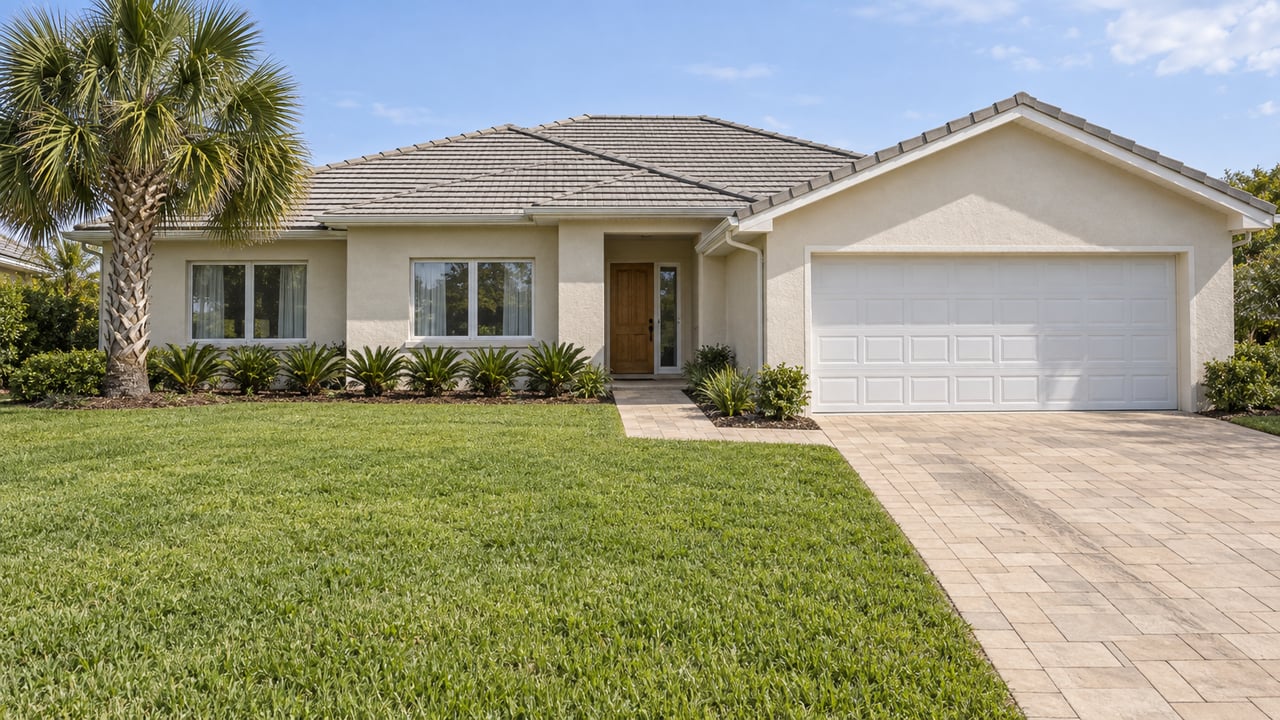
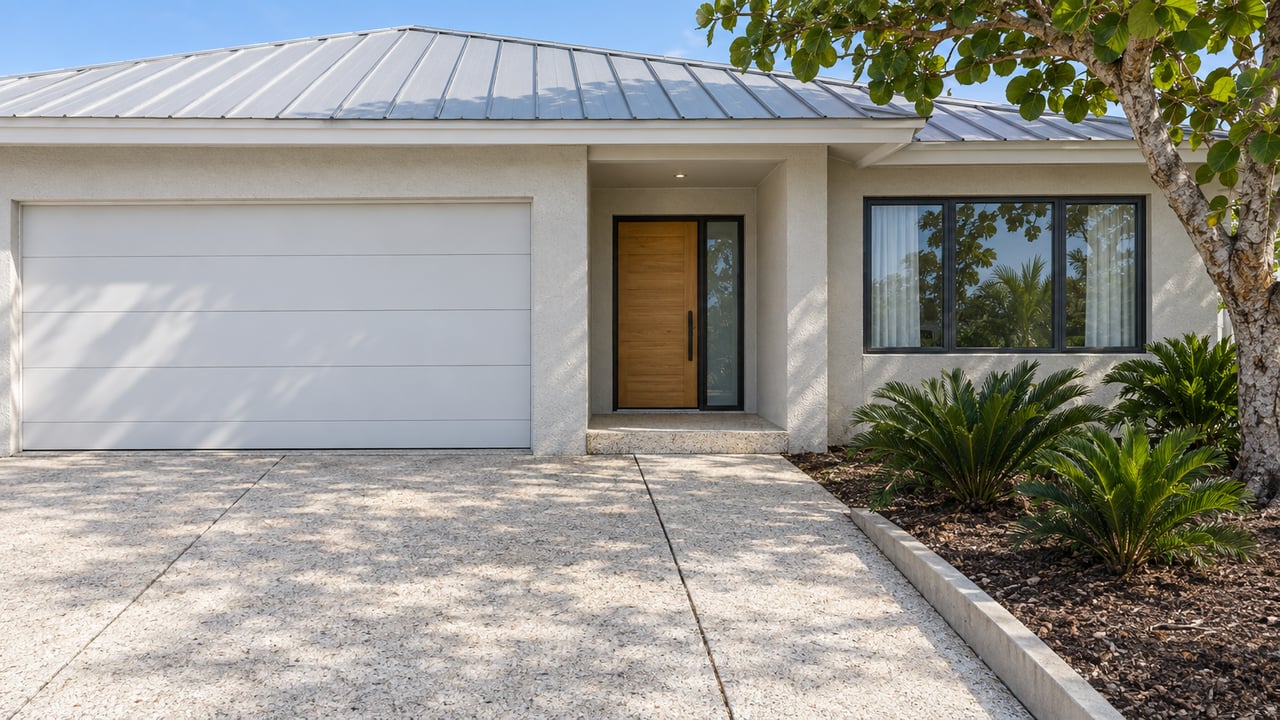
In practice, many buyers compare a condo-style setup with a larger single-family or waterfront home. A condo may offer a more hands-off ownership experience, while a larger home may support a higher-end guest stay but often brings more cleaning, storm prep, general upkeep, and replacement risk.
Think Beyond Purchase Price
A property that looks attractive from a revenue standpoint may ask much more of you after closing. Homes that sit vacant part of the year or turn over often can need preventive maintenance, post-storm checks, and regular monitoring.
If you live out of market or want a more passive experience, this should be part of your screening process. A simpler property can sometimes produce a better ownership experience, even if the top-line revenue looks lower.
Decide Whether You Need A Property Manager
If you do not want to handle the day-to-day work yourself, a property manager may be worth considering. Management can include tenant screening, rent collection, maintenance coordination, legal compliance, and financial reporting.
When comparing management options, it helps to review:
- Local market knowledge
- Experience with similar properties
- Scope of services offered
- Reviews and owner feedback
- Fee structure
For remote owners especially, professional management or a watch service can also help with routine checks and storm response.
Use Smart-Home Tools To Reduce Risk
Technology can also play a role in protecting the property. Smart systems that monitor temperature, water, and home functions may help reduce avoidable damage, especially when the property is vacant between stays.
For higher-risk properties, water alarms or shutoff systems may be worth a closer look. Small tools like these can support a smoother operation and limit costly surprises.
Underwrite The Full Cost Of Ownership
One of the biggest mistakes buyers make is focusing too heavily on the mortgage payment. A realistic Siesta Key vacation-rental budget should include much more than principal and interest.
You should also plan for insurance, flood and windstorm protection, utilities, internet, cleaning and linen turnover, preventive maintenance, furnishing replacement, and reserves for repairs or downtime. If the property has a pool or landscaping, those recurring services belong in the budget as well.
Factor In Flood And Storm Exposure
Barrier-island ownership comes with real weather risk, and Siesta Key is no exception. Sarasota County says its Gulf location makes it susceptible to coastal flooding, tropical storms, hurricanes, and storm surge.
The county also notes that most homeowners insurance does not cover flood damage. For buyers looking at Siesta Key specifically, that makes flood-risk review and insurance planning a core part of due diligence, not an afterthought.
Know The Hurricane Season Reality
Sarasota County reminds residents that Atlantic hurricane season runs from June 1 through November 30. The county also urges residents in low-lying areas and barrier islands to evacuate when an order is issued.
For you, this means underwriting should include not just premiums, but also the practical possibility of storm prep, short-term downtime, repair delays, and disruption during parts of the year.
Use A Simple Three-Part Screening Test
If you are considering a Siesta Key vacation rental, you can simplify your decision with a three-part test:
- Legal permissibility: Can this specific property be rented the way you intend?
- Guest-demand fit: Does the location and layout match how visitors actually use Siesta Key?
- Cost and risk tolerance: Are you comfortable with the expenses, compliance needs, and storm exposure?
If one of those areas is weak, the property may still make sense as a second home. But it may not work as an investment property with the kind of net income or ease of ownership you want.
Buying on Siesta Key can be a smart move when the property fits both your lifestyle goals and your numbers. The key is staying disciplined during the review process and looking beyond the postcard appeal. If you want help screening Siesta Key properties with local insight and a financial lens, reach out to Ryan Miller.
FAQs
What makes Siesta Key appealing for vacation-rental guests?
- Siesta Key benefits from strong leisure demand tied to beach access, dining, and vacation travel, with vacation rentals making up 29% of paid accommodations in Sarasota County.
Can every Siesta Key property be used as a short-term rental?
- No. Rental use depends on the specific property’s zoning, location, condo or HOA rules, and lease restrictions.
What taxes apply to a Siesta Key vacation rental?
- Sarasota County says rentals of six months or less must collect 7% state sales tax and 6% tourist development tax, with required registration at the county and state level.
Why is flood and storm planning important for Siesta Key owners?
- Sarasota County says the area is susceptible to coastal flooding, tropical storms, hurricanes, and storm surge, and most homeowners insurance does not cover flood damage.
Should you hire a property manager for a Siesta Key vacation rental?
- It depends on how hands-on you want to be, but management can help with maintenance coordination, compliance, rent collection, and routine oversight, especially if you live out of market.